

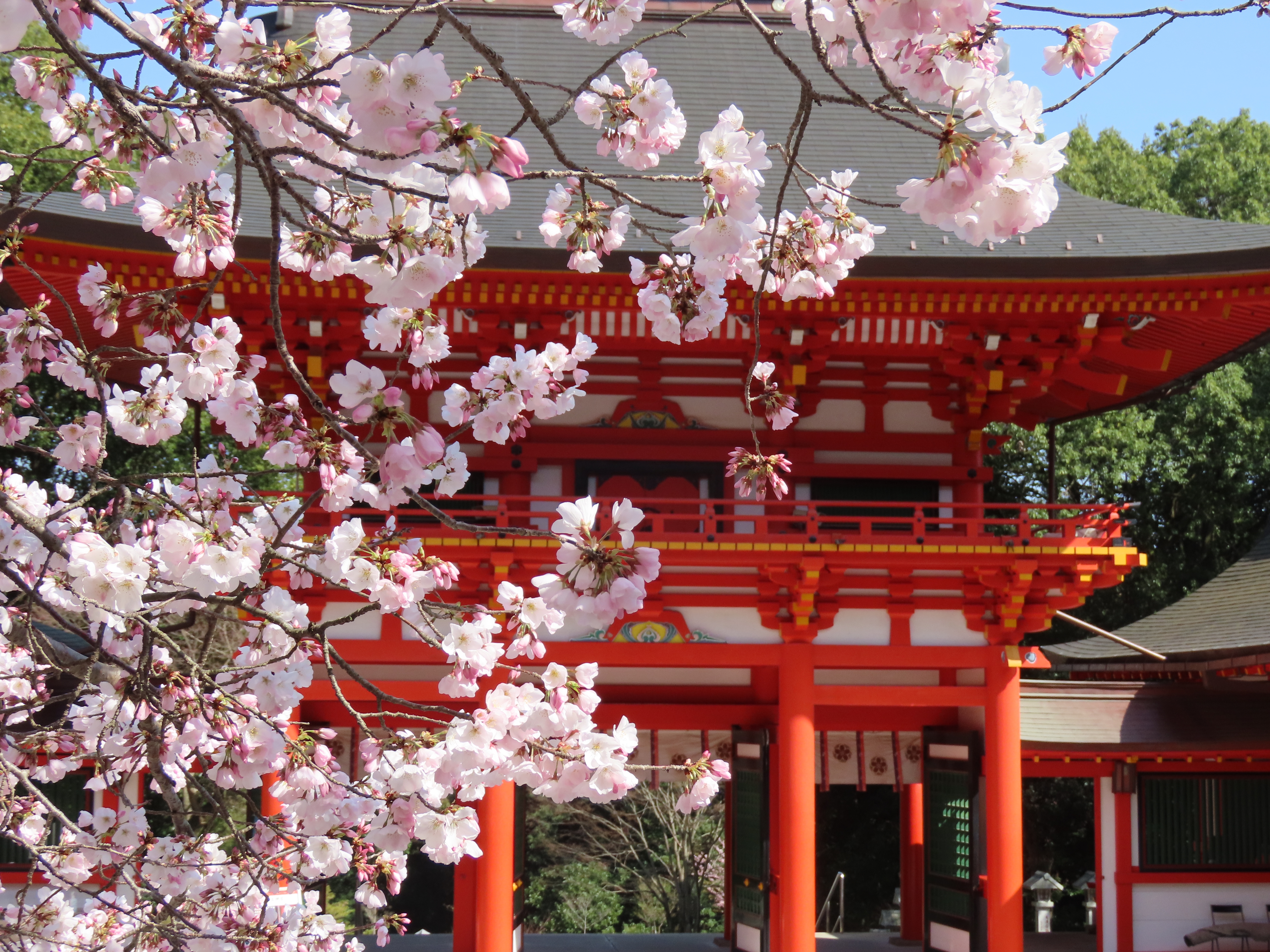
① Ōmi Jingū: The History of Karuta and Timepieces
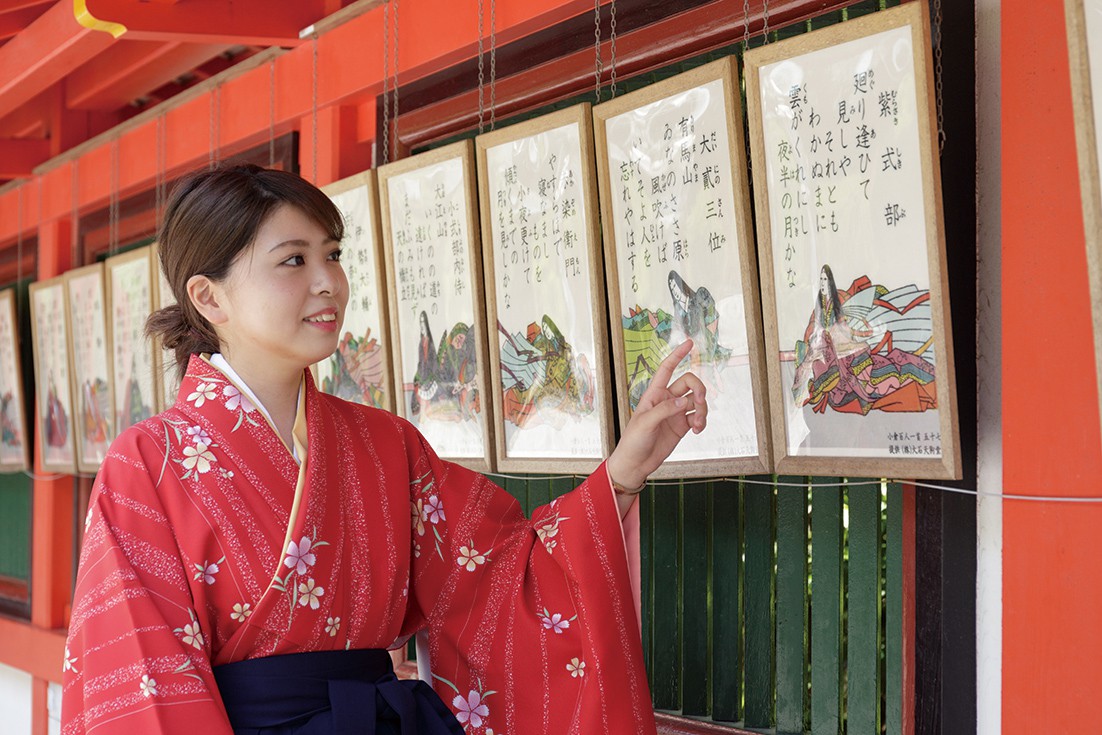
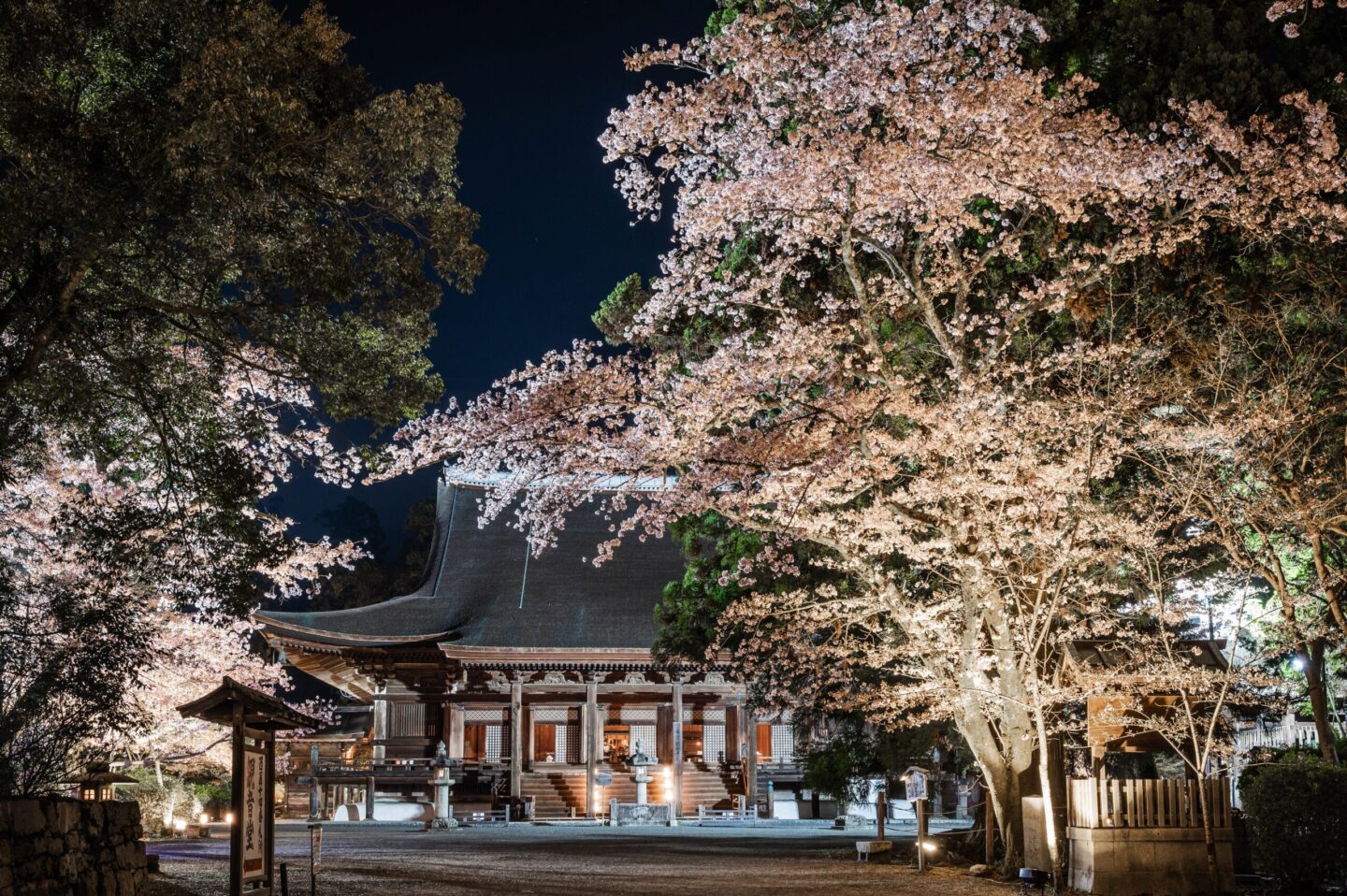
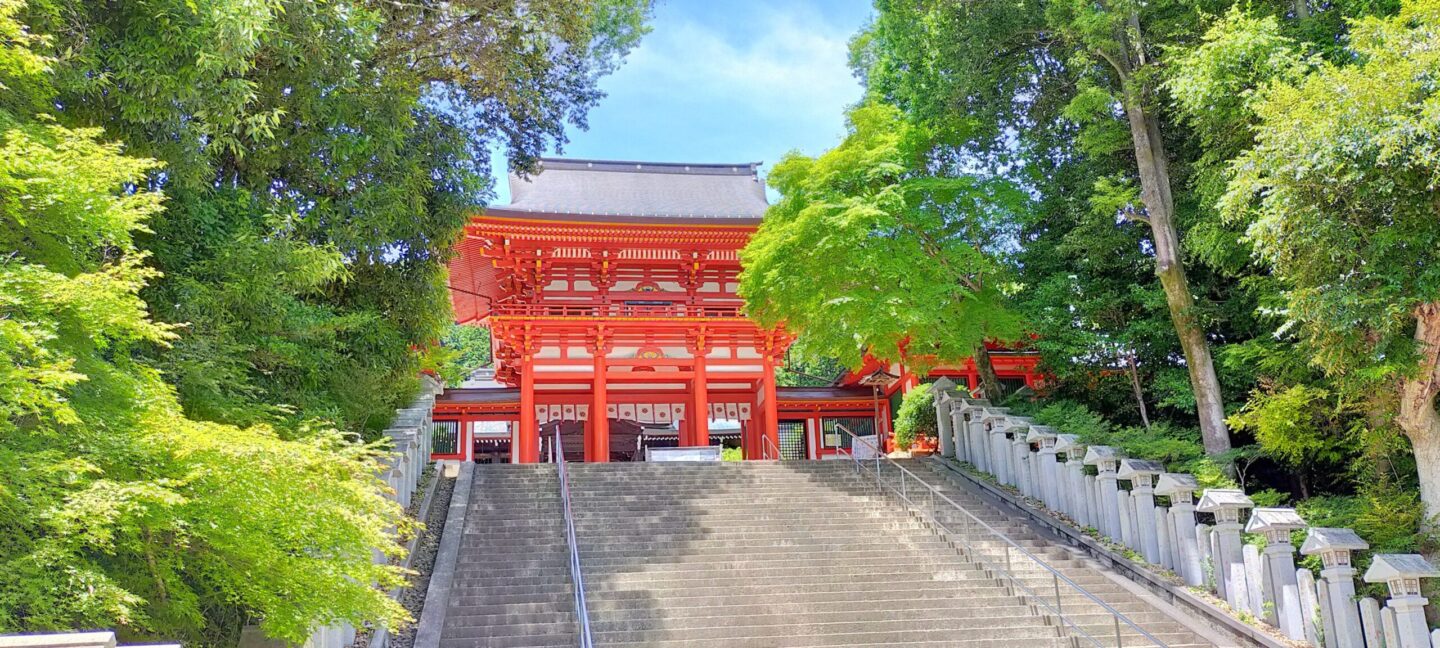
Emperor Tenji, who founded Ōtsu-kyō, is enshrined here and is known as a great deity of good fortune and a guardian deity of industry, culture, and learning. Because Emperor Tenji is said to be the author of the first poem in the Hyakunin Isshu anthology, the shrine is also known as a sacred place for competitive karuta. In addition, in connection with this being regarded as the birthplace of Japanese timekeeping, a water clock (rokoku) and a sundial are installed, and the Clock Treasure Museum exhibits 180 timepieces from around the world. Based on the legend that Emperor Tenji used a water clock to announce the time, the Rōkoku Festival is held each year on June 10, Time Memorial Day.
Omi Jingu Shrine
- Business Hours
-
Monday: 9:00 AM – 4:30 PM
Tuesday: 9:00 AM – 4:30 PM
Wednesday: 9:00 AM – 4:30 PM
Thursday: 9:00 AM – 4:30 PM
Friday: 9:00 AM – 4:30 PM
Saturday: 9:00 AM – 4:30 PM
Sunday: 9:00 AM – 4:30 PM - Closed
-
None (Clock Museum is closed on Mondays *Excludes National Holidays)
- Price
-
Clock Museum Entrance Fee 300 yen
*9:30 a.m. - 4:30 p.m. Closed on Mondays except when Mondays are National Holidays - Parking Lot
-
Space for 150 cars, several large vehicles
*Paid parking only from the night of December 31st to January 5th (Cars 500 yen)