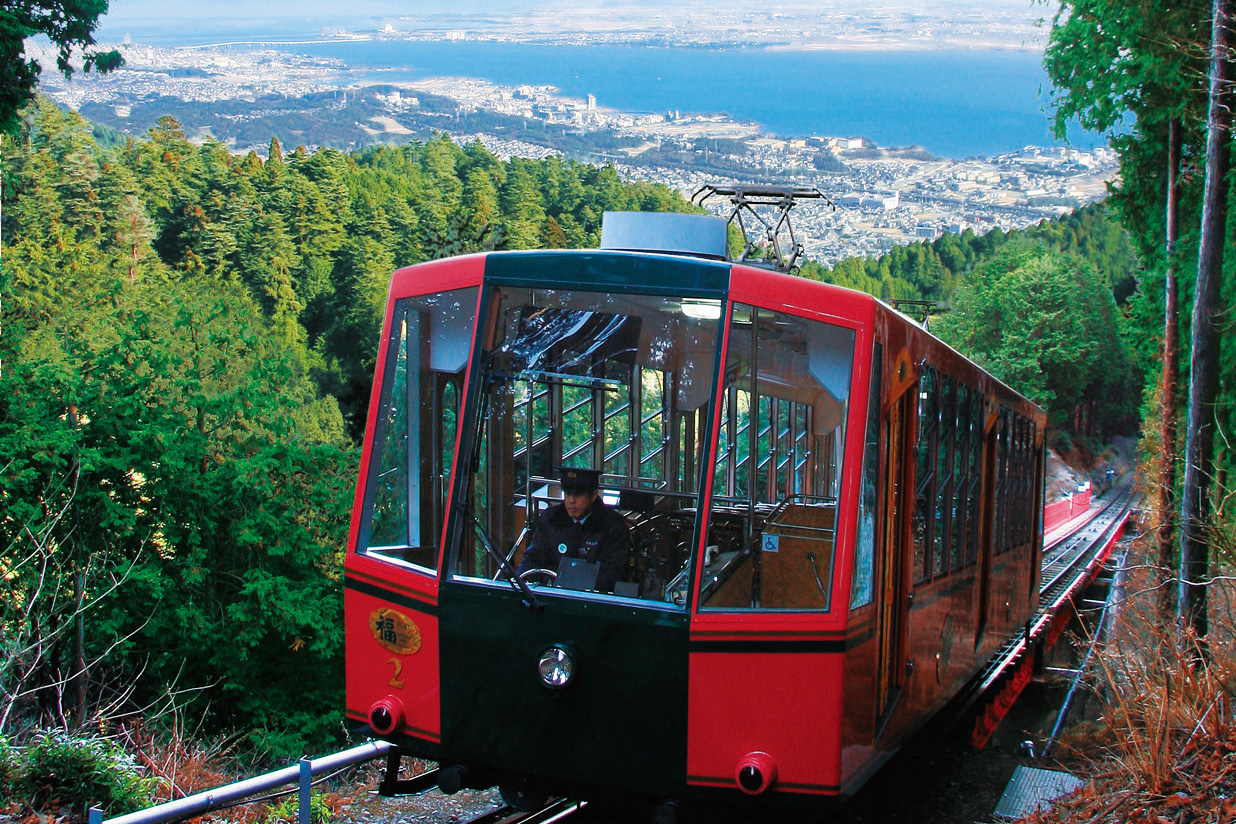
Sakamoto Cable
North central

Central
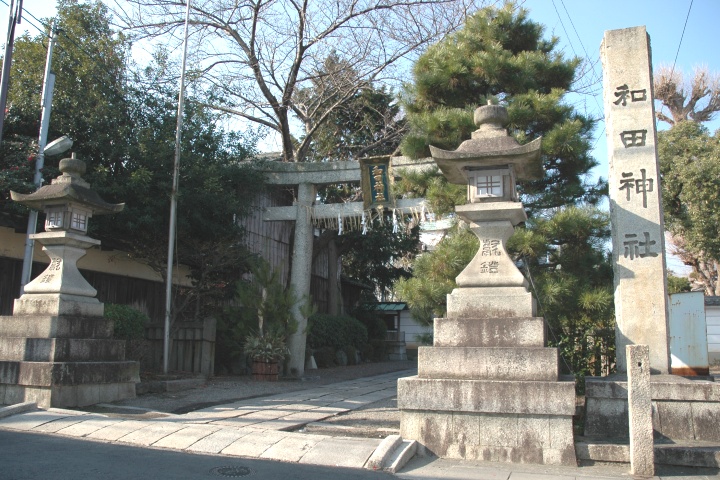
Wada Shrine – A Giant Ginkgo Tree and the Legend of Ishida Mitsunari
【Highlights】
・The Main Hall, a National Important Cultural Property, believed to date from the Kamakura period.
・A giant ginkgo tree standing 24 meters tall and said to be 600 to 650 years old.
【History and Culture】
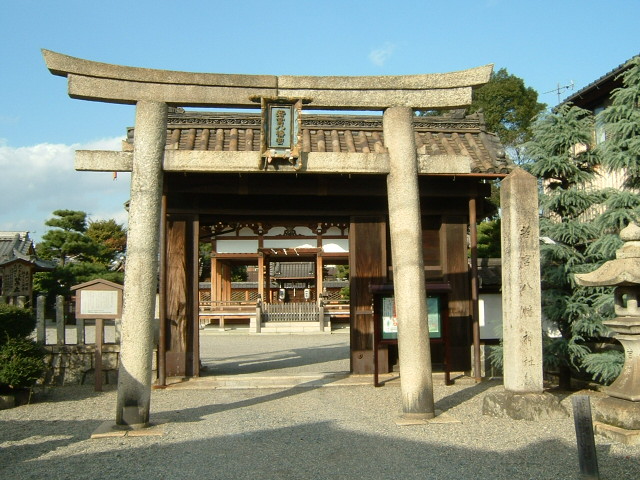
Wada Shrine is an ancient shrine dedicated to Takaokami-no-kami, revered as a deity of water. It is believed to have been founded around 655 and was once known by names such as Hachidai Ryuo-sha and Shorei Tenno-sha before becoming Wada Shrine around the time of the Meiji Restoration.
The Main Hall, designated a National Important Cultural Property, is believed to date from the Kamakura period. It features a cypress bark roof, a karahafu-style gabled entrance, and decorative kaerumata, or frog-leg struts, on its sides. Though modest in scale, the building beautifully preserves the character of medieval shrine architecture.
Within the shrine grounds stands a giant ginkgo tree, 24 meters tall and said to be 600 to 650 years old. In autumn, its leaves turn a vivid golden yellow, illuminating the quiet precinct with seasonal color.
Wada Shrine is located along the former Tokaido Road, once a busy route traveled by many people. The giant ginkgo is also associated with a local legend: after his defeat at the Battle of Sekigahara, Ishida Mitsunari is said to have been bound to the tree while being escorted to Kyoto.
Quietly standing in the Zeze area, Wada Shrine is a historic place where medieval shrine architecture, an ancient tree, and memories of Japan’s war-torn past come together.